

Taxes still pay for nothing.
You're Still Paying. The Question Is Whether It Still Means Anything.

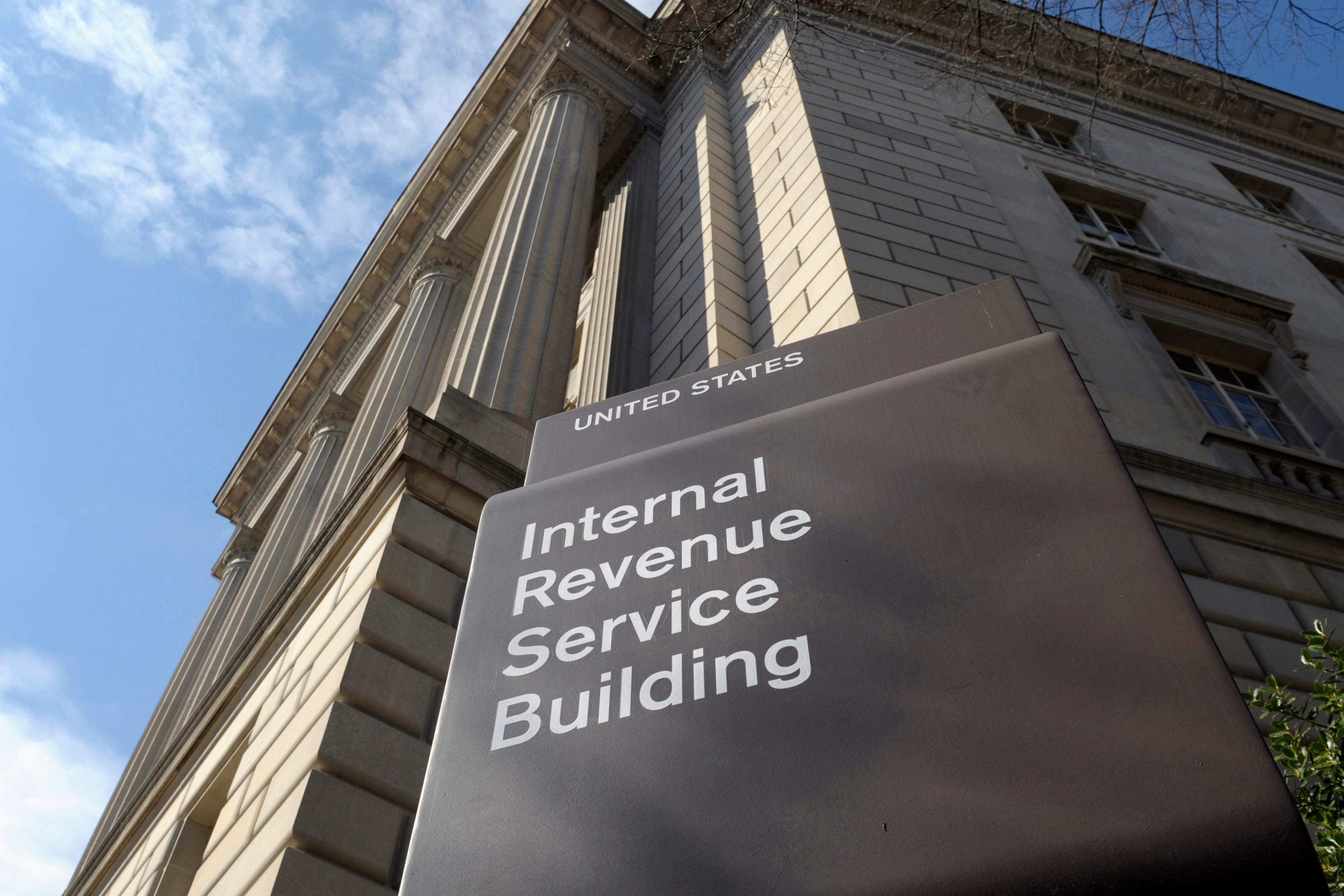
A year ago today, I published a piece called “Taxes Pay for Nothing.”
Taxes pay for nothing.

Today, millions of Americans are wiring their hard-earned cash to the IRS, imagining it being divvied up to pay for roads, schools, aircraft carriers, and maybe even some bloated government waste they despise. Maybe you think you’re funding something important. Maybe you think you’re getting fleeced.
The argument was simple, if jarring: the U.S. government doesn’t need your money to spend. It creates money when it spends. Taxes exist to regulate inflation, maintain demand for the dollar, and — most importantly — to control who gets to have wealth and who doesn’t.
The piece went viral by my standards at the time. I got a lot of “that can’t be right” replies. Lots of amateur economists and CPAs who pretended to understand the Fed's and the Treasury’s balance sheets as if they were poring over JPMorgan's quarterly report. Some people called it MMT propaganda. Others called it dangerous. A few asked me to explain it to their spouses, which I found oddly charming.
Here’s what happened in the twelve months since.
Everything.
---
The thesis wasn’t just theoretical. I told you the real constraint on U.S. government spending wasn’t the deficit. It wasn’t taxes. It wasn’t even debt. It was trust — trust that the system was stable, that the government wouldn’t collapse into chaos, that the dollar was backed by something real, even if that something was just institutional coherence.
I wrote:
”That’s why reckless trade wars, political instability, a lunatic billionaire screwing around with the US government’s payment systems, and government dysfunction spiraling out of control, directly threaten the dollar’s value and the wealth of every American.”
I want you to read that sentence again. I wrote it on April 14, 2025.
The bond market started sending distress signals within days of the tariff announcements this spring. Not because of the tariffs themselves — though those are inflationary enough on their own — but because investors, foreign governments, and the institutions that hold U.S. debt started asking the question they are never supposed to ask: *do these people know what they’re doing?*
When that question becomes audible, trust begins to bleed. And trust is the only thing backing the dollar.
The ten-year yield spiked. The dollar weakened against currencies it is never supposed to weaken against. Foreign central banks quietly began reducing Treasury holdings. None of this was caused by government overspending. None of it was caused by the deficit. All of it was caused by a single variable: confidence that the United States remains a reliable counterparty.
It doesn’t feel that way right now.
---
Here’s the other piece of the puzzle that has been beautifully clarified over the past year.
I explained that taxes don’t fund spending. They regulate inflation by pulling money out of the economy. They signal to the world that the dollar has real demand behind it. They are, in a functional sense, the proof of concept that the system still runs.
So what happens when you gut the enforcement mechanism?
The IRS lost a significant chunk of its compliance division this year. The people who chase tax evasion. The people who audit the complex returns. The people who make the system function as something other than voluntary. Early projections suggest tax compliance will be measurably lower this year than at any point in recent memory.
Think about what that means systemically.
If taxes are the mechanism by which the government removes excess money from the economy to prevent inflation, and if the government is simultaneously running deficits, imposing tariffs that raise consumer prices, and pushing a tax cut that primarily benefits the wealthiest — all while degrading the compliance apparatus that makes tax collection real — you have built an engine that generates inflation from multiple directions at once.
The fiscal brakes are broken. The monetary accelerator is floored. And the people at the wheel are arguing about whether the car is even moving.
---
I want to come back to something I wrote last year that I think is the most important sentence in that entire 7,000-word piece.
”The scarcity of time, life, and natural resources are real; the scarcity of money is a myth.”
It’s true. And the implication of that truth is not reassuring.
If money isn’t scarce but trust is, and if the people currently managing the system are systematically destroying trust — through instability, through policy incoherence, through the casual gutting of institutions that took decades to build — then the thing that has real value is becoming genuinely, concretely scarce in a way that dollars are not.
You can print dollars. You cannot print credibility.
The bond market knows this. Foreign central banks know this. And somewhere beneath the noise of the daily news cycle, the people watching long-term sovereign risk know it too.
---
So here you are. Tax day, 2026.
You’re filing. You’re paying. You’re wiring money to a government that will, in a very real sense, destroy that money upon receipt — not maliciously, but mechanically, as the system was designed to work.
The difference between this April and last April is that last year, the threat to the system was structural but latent. The vulnerabilities were real, but the damage was still theoretical. Analysts and economists were warning. Markets were watching. The consensus view was that the guardrails would hold.
They didn’t.
The guardrails didn’t hold because guardrails are institutional, and institutions require people to believe in them to function. When that belief degrades — when the people running the institutions signal that the institutions are merely convenient until they’re not — you don’t get a single dramatic collapse. You get a slow, grinding decoherence. The system stops functioning the way it was designed, and nobody pulls the alarm because everything still technically works.
Until it doesn’t.
---
The practical question, the one I try to answer in Borderless Living, is what rational people do when they understand this clearly.
Not the emotional response. Not the apocalyptic response. The strategic one.
States hedge. Firms hedge. Capital hedges. People — if they’re thinking clearly — hedge too. That means having options that don’t depend entirely on the dollar maintaining its current purchasing power, or the U.S. institutional architecture maintaining its current coherence, or the current administration deciding tomorrow to honor the norms its predecessors built.
None of those are certainties right now. If they were, the bond market wouldn’t be saying what it’s saying.
A year ago, I told you taxes pay for nothing. That the whole system was built on trust, not money.
The question for year two is whether you’ve built anything that doesn’t require that trust to hold.
holy fucking assballs. I've been living under a rock!
I heard you a year ago. In anticipation of all of this, I made two significant strategic decisions just prior to today. I'd like to share them with you, but better safe than sorry. Maybe when the coast is clear.